
julia child beef bourguignon pdf
Julia Child’s Beef Bourguignon: A Comprehensive Guide
Numerous PDF versions of Julia Child’s iconic Beef Bourguignon recipe are readily available online‚ stemming from her seminal Mastering the Art of French Cooking cookbook․
These digital copies offer convenient access to this classic‚ allowing cooks to easily follow her detailed instructions and recreate the dish at home․
Historical Context & Julia Child’s Influence
Boeuf Bourguignon‚ a hearty beef stew braised in red wine‚ originates from the Burgundy region of France‚ traditionally a peasant dish utilizing tougher cuts of beef and local wines․ However‚ it remained largely unknown outside of France until Julia Child championed it in her groundbreaking 1961 cookbook‚ Mastering the Art of French Cooking․

Child’s meticulous adaptation and detailed instructions demystified French cuisine for American home cooks․ Before her work‚ French cooking was often perceived as intimidating and inaccessible․ She broke down complex techniques into manageable steps‚ empowering a generation to embrace French flavors․
The PDF versions circulating today are direct descendants of this culinary revolution․ They represent a democratization of knowledge‚ allowing anyone with internet access to learn from and replicate Child’s masterful recipe․ These digital documents preserve her legacy‚ ensuring that her influence on American cooking continues to thrive‚ offering a tangible connection to a pivotal moment in culinary history․
The Origins of Boeuf Bourguignon
Boeuf Bourguignon’s roots lie deep within the rural traditions of Burgundy‚ France․ Historically‚ it was a dish born of necessity‚ created by resourceful farmers utilizing inexpensive‚ tougher cuts of beef – those unsuitable for roasting – and readily available red wine from the region․ The slow braising process tenderized the meat‚ transforming it into a flavorful and satisfying meal․
Early versions likely varied significantly from household to household‚ adapting to available ingredients and family preferences․ The dish wasn’t initially considered haute cuisine; it was peasant food‚ a staple of the Burgundian diet․
The proliferation of PDF recipes today‚ often tracing back to Julia Child’s interpretation‚ ironically standardizes a dish that was once defined by its regional and familial variations․ While Child’s version isn’t the original‚ it’s become the benchmark‚ a widely recognized and beloved adaptation that honors the spirit of the original‚ rustic Burgundian stew․
Julia Child’s Adaptation & Popularization
Julia Child didn’t invent Boeuf Bourguignon‚ but her meticulous adaptation and enthusiastic presentation in Mastering the Art of French Cooking (1961) catapulted the dish to international fame․ She demystified French cuisine for American home cooks‚ providing detailed instructions and encouraging experimentation․
Child’s recipe‚ widely available now as PDF downloads‚ emphasized technique – proper browning of the beef‚ careful reduction of the wine‚ and the importance of low and slow braising․ She didn’t shy away from seemingly complex steps‚ believing that mastering these techniques was key to achieving authentic French flavor․
The accessibility of her PDF recipe‚ alongside television appearances and her engaging personality‚ transformed Boeuf Bourguignon from a regional French specialty into a globally recognized culinary icon․ It became a symbol of approachable‚ yet sophisticated‚ home cooking‚ inspiring generations to embrace French culinary traditions․
Understanding the Recipe: Key Ingredients
Julia Child’s Beef Bourguignon‚ as detailed in readily available PDF versions of her recipe‚ relies on a specific set of ingredients to achieve its signature depth of flavor․ Central is‚ of course‚ beef – typically chuck roast or rump roast – cut into generous pieces for braising․ Burgundy wine‚ a dry red‚ is crucial‚ providing the braising liquid and a characteristic earthy note․
Lardons (or thick-cut bacon) form the flavor foundation‚ rendering their fat to sauté the vegetables․ Pearl onions and mushrooms are essential‚ adding sweetness and umami․ A bouquet garni – a bundle of herbs – infuses the sauce with aromatic complexity․
Furthermore‚ the PDF recipe highlights the importance of good quality beef stock‚ flour for thickening‚ tomato paste for richness‚ and garlic for pungent aroma․ Mastering the interplay of these ingredients is key to replicating Child’s iconic dish․
Beef Selection: Cuts & Quality
Julia Child’s Beef Bourguignon‚ as presented in numerous PDF versions of her recipe‚ isn’t overly prescriptive about the exact cut‚ but emphasizes choosing beef suitable for long‚ slow braising․ Chuck roast is frequently recommended due to its marbling and affordability‚ yielding tender‚ flavorful results․ Rump roast is also a viable option‚ though it may require slightly longer cooking․
The PDF recipes consistently stress the importance of using beef cut into 2-inch cubes․ This size ensures sufficient surface area for browning and allows the meat to remain moist during the extended braising process․ Quality is paramount; look for beef with good marbling‚ as this fat renders down during cooking‚ contributing to both flavor and tenderness․
Avoid overly lean cuts‚ as they can become dry․ The goal is beef that will fall apart after hours of gentle simmering in Burgundy wine․
Burgundy Wine: Choosing the Right Bottle
Julia Child’s Beef Bourguignon PDF recipes consistently emphasize the importance of using a good quality‚ dry red Burgundy wine․ However‚ she famously advised against using a wine you wouldn’t drink! While a premier cru isn’t necessary‚ avoid overly oaky or tannic wines‚ as these flavors can become amplified during the long braising process․
Pinot Noir from Burgundy is the traditional choice‚ offering fruity notes and earthy undertones that complement the beef beautifully․ Many PDF versions suggest a wine with moderate body and acidity․ If Burgundy is unavailable or cost-prohibitive‚ a Beaujolais or other dry red wine with similar characteristics can be substituted․
The wine isn’t merely a flavoring agent; it’s a crucial component of the braising liquid‚ contributing depth and complexity to the final dish․
Lardons & Bacon: Flavor Foundation
Julia Child’s Beef Bourguignon PDF recipes highlight the foundational role of lardons – or bacon – in building the dish’s rich‚ savory flavor profile․ While some modern adaptations may suggest omitting this step‚ Child’s original recipe firmly establishes it as essential․ The rendered fat from the lardons is used to sauté the vegetables‚ infusing them with a smoky depth․
Many PDF versions specify using salt pork or thick-cut bacon‚ diced into small pieces (lardons)․ The key is to render the fat slowly‚ allowing the lardons to become crisp and golden brown․ This process creates a flavorful base for the entire stew․
The rendered fat isn’t just about taste; it also contributes to the texture of the sauce‚ adding a luxurious mouthfeel․ Don’t discard the crispy lardons – they are typically returned to the stew later‚ providing bursts of salty‚ smoky goodness․

Step-by-Step Cooking Process
Julia Child’s Beef Bourguignon PDF recipes meticulously detail a multi-stage cooking process‚ emphasizing patience and precision․ Typically‚ the process begins with marinating the beef – often overnight – in red wine‚ aromatics‚ and vegetables․ Following this‚ the beef is browned in batches to achieve a deep‚ rich color‚ a crucial step for flavor development․
PDF versions consistently outline sautéing the vegetables (onions‚ carrots‚ mushrooms) separately‚ ensuring each component is properly caramelized․ The lardons are rendered‚ and their fat used for sautéing․ The browned beef and sautéed vegetables are then combined with the marinade‚ beef broth‚ and bouquet garni․
The final‚ and arguably most important‚ stage involves a long‚ slow braise – typically 3-4 hours – allowing the beef to become incredibly tender and the flavors to meld harmoniously․ Many PDFs include instructions for finishing the sauce and returning the lardons to the stew․
Marinating the Beef: Importance & Duration
Julia Child’s Beef Bourguignon PDF recipes universally stress the importance of marinating the beef‚ highlighting its role in tenderizing the meat and infusing it with flavor․ The marinade‚ typically consisting of red Burgundy wine‚ carrots‚ onions‚ garlic‚ and herbs (bouquet garni)‚ penetrates the beef during an extended soaking period․
PDF versions consistently recommend a marination duration of at least 12 hours‚ and ideally overnight‚ for optimal results․ This allows the wine’s acidity to break down the tough fibers‚ resulting in a more tender final product․ Some PDFs suggest turning the beef occasionally during marination to ensure even exposure;
The marinade isn’t discarded; it’s strained and reserved‚ becoming a vital component of the braising liquid‚ further intensifying the dish’s complex flavors․ The PDFs emphasize that the quality of the wine used directly impacts the final taste of the Bourguignon․
Browning the Beef: Achieving Deep Flavor
Julia Child’s Beef Bourguignon PDF recipes consistently emphasize that browning the beef in batches is crucial for developing a rich‚ deep flavor profile․ The PDFs explicitly warn against overcrowding the pan‚ as this will steam the beef instead of searing it‚ hindering the Maillard reaction – the chemical process responsible for creating complex flavors․
The PDF instructions detail using a heavy-bottomed Dutch oven or large skillet with a small amount of fat (often bacon fat or oil)․ The beef is browned on all sides to a deep‚ mahogany color․ This step isn’t merely about cooking the beef; it’s about building a flavorful foundation for the entire stew;
Many PDF versions highlight the importance of patting the beef dry before browning to ensure proper searing․ The browned beef is then set aside‚ and the fond (browned bits stuck to the bottom of the pan) is deglazed with wine‚ adding another layer of flavor․
Sautéing Vegetables: Onions‚ Mushrooms & Carrots
Julia Child’s Beef Bourguignon PDF recipes meticulously detail the vegetable sautéing process‚ emphasizing a specific order and technique․ Typically‚ the PDFs instruct to sauté the onions first‚ until softened and lightly browned‚ building a sweet base flavor․ Then‚ carrots are added and cooked until they begin to caramelize‚ contributing another layer of sweetness․
The PDF versions consistently highlight that mushrooms are added last‚ and are sautéed separately to prevent them from absorbing too much liquid and becoming soggy․ They are often browned in butter‚ enhancing their earthy flavor․ The goal‚ as outlined in the PDFs‚ is to achieve a golden-brown color and release their moisture․
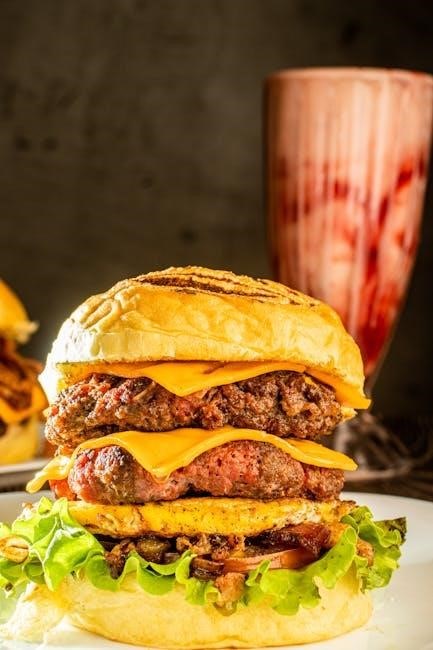
These sautéed vegetables are then combined with the browned beef and deglazed pan juices‚ forming the aromatic heart of the bourguignon․ The PDF instructions stress not to rush this step‚ as proper sautéing is vital for the stew’s overall depth of flavor․

The Braising Process: Low & Slow Cooking
Julia Child’s Beef Bourguignon PDF recipes universally emphasize the importance of a long‚ slow braising process; The PDFs detail returning the beef and vegetables to the Dutch oven‚ covering them with red wine and beef broth‚ and bringing the liquid to a simmer․

Crucially‚ the PDF instructions specify a low oven temperature – typically around 325°F (160°C) – and a braising time of 3 to 4 hours‚ or until the beef is fork-tender․ Many PDF versions reiterate Child’s advice to maintain a gentle simmer‚ not a rolling boil‚ to ensure the beef remains moist and tender․
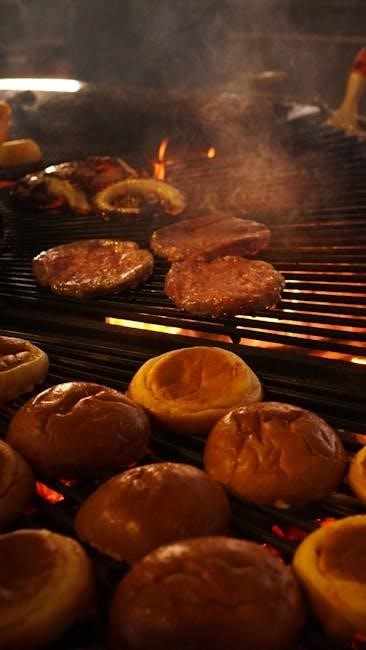
The PDFs also often include notes on checking the liquid level during braising‚ advising cooks to add more broth if necessary․ This extended‚ low-temperature cooking allows the flavors to meld and deepen‚ transforming the tough cut of beef into a succulent‚ flavorful stew‚ as per the original recipe․
Finding & Utilizing PDF Recipes
Julia Child’s Beef Bourguignon PDF recipes are widely accessible through various online platforms․ A simple web search reveals numerous downloadable PDF versions‚ often sourced from food blogs‚ cooking websites‚ and digital libraries․ Websites offering free PDF downloads of classic cookbooks frequently host her recipe․
When utilizing these PDFs‚ it’s beneficial to compare multiple versions‚ as slight variations may exist in ingredient quantities or instructions․ Many PDFs are scans of original cookbook pages‚ offering a faithful reproduction of Child’s text and formatting․
Ensure the PDF source is reputable to guarantee accuracy․ Digital versions allow for easy printing or viewing on tablets during cooking․ Remember to check for any accompanying notes or adaptations included within the PDF‚ enhancing your culinary experience with this iconic dish․
Sourcing Julia Child’s Beef Bourguignon PDF
Locating a reliable PDF of Julia Child’s Beef Bourguignon recipe is straightforward․ Several websites specialize in offering free cookbook PDFs‚ including versions of Mastering the Art of French Cooking․ Online archives and culinary forums also frequently host scanned copies of the recipe․ A direct search for “Julia Child Beef Bourguignon PDF” yields numerous results․
Websites like Internet Archive and various food blog archives are excellent starting points․ Be mindful of download sources‚ prioritizing those with clear copyright information or links to legitimate sources․ Many PDFs are available as direct downloads‚ while others may require a free account registration․
Always verify the PDF’s authenticity by comparing it to known versions of the recipe․ Ensure the formatting and ingredient lists align with Julia Child’s original work for an accurate cooking experience․
Variations & Adaptations in PDF Versions
PDF versions of Julia Child’s Beef Bourguignon often showcase slight variations and adaptations․ Some PDFs include user annotations‚ clarifying steps or offering personal tips based on experience․ Others present streamlined versions‚ simplifying the original recipe for quicker preparation․ You may encounter adaptations suggesting alternative cuts of beef‚ like rump roast‚ alongside the traditional chuck․
Certain PDFs feature metric conversions for international cooks‚ while others provide scaled recipes for smaller or larger servings․ Some versions incorporate modern techniques or ingredient substitutions‚ though purists generally prefer adhering to Child’s original instructions․
It’s crucial to note these differences when selecting a PDF․ Comparing multiple versions can reveal helpful insights‚ but always prioritize the core principles of the recipe as outlined in Mastering the Art of French Cooking for an authentic result․
Troubleshooting Common Issues (Based on PDF Feedback)
PDF discussions and user comments frequently highlight common challenges when making Julia Child’s Beef Bourguignon․ A recurring issue is achieving a sufficiently deep browning of the beef; many PDF users emphasize the importance of small batches and a hot pan․ Another concern revolves around the wine reduction – ensuring it’s fully evaporated to avoid a harsh flavor․

Some PDF feedback notes difficulties with the lardons rendering properly‚ suggesting a longer initial cooking time․ Others report issues with the sauce being too thin‚ recommending a beurre manié (flour and butter paste) to thicken it․
Reviewing comments within PDF versions reveals that patience is key; the long braising time is essential for tenderizing the beef․ Addressing these issues‚ informed by collective experience shared in PDF formats‚ significantly improves the final outcome․
Serving Suggestions & Wine Pairings
Julia Child’s Beef Bourguignon‚ a hearty and flavorful dish‚ benefits from simple yet elegant accompaniments․ Traditionally‚ it’s served with boiled potatoes‚ often garnished with parsley‚ allowing the sauce to coat each bite․ Creamy mashed potatoes or buttered egg noodles also provide a comforting base․ A crusty baguette is essential for soaking up the rich sauce․
Considering wine pairings‚ the PDF recipe’s origins in Burgundy naturally suggest a Pinot Noir from the region; However‚ a Beaujolais or a lighter-bodied Cabernet Sauvignon also complements the dish beautifully․ The wine should have enough acidity to cut through the richness of the beef and sauce․
For a complete meal‚ a simple green salad with a vinaigrette dressing offers a refreshing contrast․ Don’t forget a final sprinkle of fresh parsley before serving‚ enhancing both flavor and presentation․