upass urine instructions
UPass Urine Instructions: A Comprehensive Guide
Understanding UPass urine testing is crucial for accurate kidney function assessment; this guide details collection, preparation, and interpretation, ensuring reliable results for diagnosis and monitoring.
What is a UPass Urine Test?
A UPass urine test is a non-invasive diagnostic tool utilized to analyze various components within your urine, providing valuable insights into your overall health and specifically, kidney function. It’s a common screening method, remaining highly prevalent in medical diagnostics today, as of March 16, 2026.
The test doesn’t just look for one thing; it assesses protein, glucose, ketones, creatinine, and can even involve microscopic examination for cells or crystals. Often, a 24-hour collection is employed to get a comprehensive picture, though spot tests are also utilized. This detailed analysis helps healthcare professionals identify and monitor conditions like kidney disease, diabetes, and urinary tract infections. The simplicity and accessibility of urine testing make it a cornerstone of preventative care.
Why is a UPass Urine Test Ordered?
A UPass urine test is frequently ordered to evaluate kidney health and detect potential issues early on. Specifically, the 24-hour urine protein test, a common type, is crucial for assessing kidney disease and related conditions. Doctors may request this test if you exhibit symptoms like frequent urination, changes in urine color, or swelling in your extremities.
Beyond kidney function, it helps monitor diabetes by checking glucose and ketone levels. It can also identify urinary tract infections and assess overall metabolic function. Given its non-invasive nature and broad diagnostic capabilities, urine testing remains a vital screening method, as highlighted on March 16, 2026, for a wide range of health concerns.
Types of UPass Urine Tests
UPass urine tests aren’t a single procedure; several collection methods exist, tailored to specific diagnostic needs. The spot urine test provides a quick snapshot of urine composition, useful for initial screenings. However, for a more comprehensive assessment, a 24-hour urine collection is often preferred, capturing fluctuations throughout the day.
This involves collecting all urine produced over a full 24-hour period. Additionally, timed urine collections (like a 12-hour sample) may be ordered, offering a middle ground between the simplicity of a spot test and the thoroughness of a 24-hour collection. The choice depends on what your doctor is evaluating, ensuring the most accurate results.
Spot Urine Test
The spot urine test, also known as a random urine sample, is a convenient and frequently used method for initial assessment. It requires no special preparation beyond basic hygiene. A healthcare provider will typically instruct you to provide a sample mid-stream, ensuring a cleaner collection. This test offers a quick overview of various substances, including protein, glucose, and ketones.
However, results can be influenced by hydration levels and recent dietary intake, making it less precise than 24-hour collections. It’s often used for screening purposes or to monitor conditions already diagnosed. Proper labeling of the sample container with your name and date is crucial for accurate identification.
24-Hour Urine Collection
The 24-hour urine collection provides a more comprehensive assessment of kidney function and substance excretion. It requires collecting every urine sample produced over a full 24-hour period. The process begins with completely emptying your bladder, discarding this initial void, and noting the time. Subsequently, all urine – including the final void exactly 24 hours later – must be collected in a provided container, often kept refrigerated to prevent degradation.
Accurate timing and complete collection are vital for reliable results. Missed collections significantly impact accuracy. This method minimizes the influence of daily fluctuations, offering a more precise measurement than a spot test.
Timed Urine Collection (e.g., 12-hour)
Timed urine collections, such as a 12-hour sample, offer a balance between the convenience of a spot test and the thoroughness of a 24-hour collection. This method involves collecting all urine produced during a specific timeframe, typically starting after a morning void. Like the 24-hour collection, precise timing is crucial; note the start and end times meticulously.
Refrigeration is essential to preserve the sample’s integrity. These collections are often used to assess hormone levels or substance excretion patterns over a defined period, providing valuable diagnostic information. Completeness of collection remains paramount for accurate results, mirroring the importance in longer duration collections.
Preparing for Your UPass Urine Test
Proper preparation enhances test accuracy; review dietary restrictions, medication impacts, and hydration guidelines provided by your healthcare provider before sample collection begins.
Dietary Considerations Before the Test
Specific dietary adjustments may be necessary before your UPass urine test to ensure accurate results. Generally, it’s advisable to maintain your usual diet unless your doctor provides different instructions. Avoid excessive intake of protein-rich foods in the days leading up to a 24-hour urine protein test, as this can artificially elevate protein levels.
Similarly, limiting foods and drinks high in sugar can impact glucose measurements. Your healthcare provider might recommend avoiding certain artificial sweeteners or dyes. It’s crucial to inform your doctor about any recent significant dietary changes or supplements you are taking. Consistent eating habits contribute to more reliable test outcomes, allowing for a clearer assessment of your kidney function and overall health.
Medication Considerations Before the Test
It’s vital to disclose all medications and supplements you’re taking to your doctor before a UPass urine test, as certain drugs can interfere with test results. Some medications, like nonsteroidal anti-inflammatory drugs (NSAIDs), can affect kidney function and protein levels in urine. Others might influence glucose or ketone measurements.
Your physician will advise whether you need to temporarily discontinue any medications before the test. Do not stop taking prescribed medications without consulting your doctor first. Be prepared to provide a complete list, including over-the-counter drugs, vitamins, and herbal remedies. Accurate medication reporting ensures the UPass test provides a true reflection of your kidney health, leading to appropriate diagnosis and treatment.

Hydration Guidelines Before the Test
Maintaining proper hydration is key for a successful UPass urine test, but the specifics depend on the type of collection. For a spot urine test, generally drink a normal amount of fluids – avoid excessive intake immediately before. For a 24-hour collection, your doctor will likely advise you to drink a consistent amount of fluids throughout the entire period.
This ensures a representative sample. Avoid diuretics (drinks that increase urination) like coffee, tea, and alcohol before and during collection. Dehydration can concentrate the urine, skewing results, while overhydration can dilute them. Follow your doctor’s instructions precisely to guarantee accurate assessment of kidney function and related health indicators.

Collecting a Spot Urine Sample
A spot urine test requires a clean-catch mid-stream sample, prioritizing hygiene and proper technique to minimize contamination and ensure accurate diagnostic results.
Proper Hygiene Before Collection
Maintaining meticulous hygiene is paramount when collecting a urine sample for accurate results. Begin by thoroughly washing your hands with soap and warm water for at least twenty seconds, ensuring all traces of dirt and bacteria are removed. For women, gently cleanse the genital area with a mild soap and water, wiping from front to back. Avoid using harsh soaps, douches, or feminine hygiene products, as these can interfere with test results.
Men should also wash the glans of the penis. Drying the area gently with a clean towel is essential. Proper hygiene minimizes the risk of contamination, ensuring the sample accurately reflects the substances present in your urine and providing reliable information for your healthcare provider. This simple step significantly impacts the test’s validity;
Mid-Stream Clean Catch Technique
The mid-stream clean catch method is vital for obtaining a sterile urine sample, minimizing contamination from bacteria around the urethra. Begin urination into the toilet, allowing a small amount of urine to pass. After a brief pause, redirect the urine stream into the sterile collection container, collecting the mid-portion of your urine flow – approximately 1-2 ounces (30-60 ml).
Avoid touching the inside of the container or allowing it to come into contact with the toilet. Complete urination after collecting the sample. This technique ensures the sample represents urine from the bladder, reducing the likelihood of inaccurate results due to external contaminants. Following these steps carefully is crucial for reliable testing.

Sample Container and Labeling
Utilize only the sterile container provided by your healthcare provider or laboratory for urine collection. These containers are specifically designed to maintain sample integrity and prevent contamination. Immediately after collection, securely tighten the lid to prevent leakage or spillage during transport.
Accurate labeling is paramount. Clearly write your full name, date of birth, the date and time of collection, and any specific instructions provided by your doctor directly on the container’s label. Proper labeling avoids mix-ups and ensures the lab can correctly associate the sample with your medical record, leading to accurate test results and diagnosis.

24-Hour Urine Collection: Step-by-Step Guide
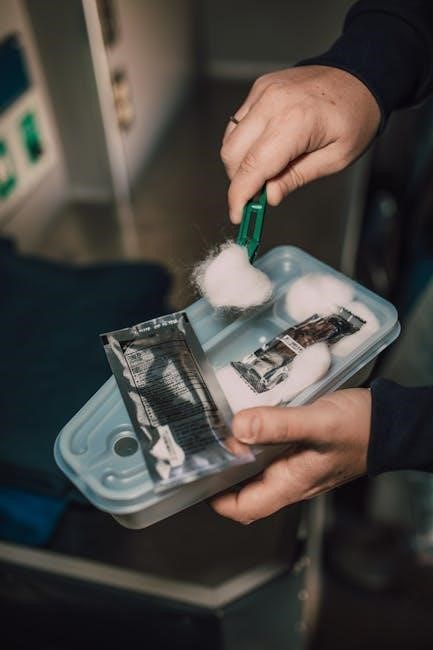
Begin with discarding the first morning urine, then collect all urine for 24 hours, storing it properly, and finishing with the final void.
Starting the Collection – First Void
The initial step in a successful 24-hour urine collection is discarding the very first urine sample of the day. This is critically important because this first void accumulates waste products during sleep and doesn’t represent a typical 24-hour sample. Carefully note the exact time you discard this first urine. From this point forward, every single drop of urine you produce – including the first morning urine the following day – must be collected in the provided container.
Ensure the collection container is clean and has been specifically provided for this purpose. Accurate timing is paramount; failing to discard the initial void will compromise the test results. Record the start time meticulously, as this marks the beginning of the 24-hour period for complete and accurate analysis.
Collecting All Urine During the 24-Hour Period
Throughout the entire 24-hour period, it’s essential to collect every instance of urine produced. This includes urine from all voids – morning, afternoon, evening, and overnight. Keep the collection container readily accessible, ideally near the toilet. If you happen to have a bowel movement, do not collect urine that may have become contaminated.
For overnight collection, ensure the container is easily reachable in a well-lit location. Record the time of each void if possible, though this isn’t always mandatory. Maintaining consistent collection is vital for accurate results; any missed voids will skew the analysis and potentially lead to misdiagnosis.
Proper Storage of Urine Samples
Maintaining the integrity of the urine samples is paramount for accurate test results. Throughout the 24-hour collection, store the container in a cool, dark place – refrigeration is often recommended, typically between 2-8°C (36-46°F). Avoid exposing the samples to direct sunlight or extreme temperatures, as these can alter the composition of the urine.
Ensure the container is tightly sealed to prevent evaporation and contamination. If multiple samples are collected throughout the day, combine them into the main collection container, noting the total volume. Do not freeze the sample unless specifically instructed by your healthcare provider, as freezing can affect certain analytes.
Ending the Collection – Final Void
The final step in a 24-hour urine collection is crucial for completeness and accuracy. Precisely 24 hours after your initial void, urinate one last time and add this sample to the main collection container. Record the exact time of this final void, as it marks the end of the collection period. Ensure the entire 24-hour output has been collected; any missed voids will compromise the test results.
Thoroughly mix the combined urine sample to ensure a homogenous mixture. Properly label the container with your name, date, and time of collection, and promptly deliver it to the designated laboratory for analysis, following any specific transport instructions provided.
Common Substances Measured in UPass Urine Tests
UPass tests commonly analyze protein, creatinine, glucose, and ketones, alongside microscopic examination, providing insights into kidney health and metabolic function for accurate diagnoses.
Protein Levels in Urine
Assessing protein in urine is a cornerstone of UPass testing, primarily to evaluate kidney function. Normally, kidneys prevent significant amounts of protein from spilling into the urine. Elevated protein levels, known as proteinuria, can signal kidney damage, potentially indicating conditions like glomerulonephritis or diabetic nephropathy.
The 24-hour urine protein test, a common UPass component, precisely quantifies protein excretion over a full day. Spot urine tests, utilizing a protein-to-creatinine ratio, offer a quicker assessment. Increased protein can also arise from intense exercise, dehydration, or infection, necessitating careful interpretation alongside clinical context. Consistent monitoring of protein levels helps track disease progression and treatment effectiveness, guiding appropriate medical interventions for optimal patient care.
Creatinine Levels in Urine
Creatinine measurement within a UPass test is vital for normalizing other urine constituents, particularly protein. Creatinine, a waste product from muscle metabolism, is consistently excreted by the kidneys. Its level reflects muscle mass and kidney filtration rate, providing a baseline for accurate analysis.
By calculating a protein-to-creatinine ratio, clinicians can account for variations in urine concentration, ensuring reliable results. Factors like hydration status and muscle mass influence creatinine levels, making the ratio crucial. Abnormal creatinine levels themselves can indicate kidney dysfunction. Monitoring creatinine alongside other markers offers a comprehensive assessment of renal health, aiding in the diagnosis and management of kidney diseases and related conditions.
Glucose Levels in Urine
Detecting glucose in urine, via a UPass test, typically indicates elevated blood sugar levels, often associated with diabetes. Normally, the kidneys efficiently reabsorb glucose, preventing it from appearing in urine. However, when blood glucose exceeds the kidneys’ reabsorption capacity, glucose spills into the urine – a condition known as glycosuria.
While glycosuria often signals diabetes, it can also occur due to kidney problems affecting reabsorption. A positive glucose result necessitates further investigation, including blood glucose testing, to confirm a diagnosis. Monitoring glucose levels in urine helps assess diabetic control and identify potential kidney damage. Consistent presence suggests poorly managed diabetes, requiring adjustments to treatment plans for optimal health outcomes.
Ketone Levels in Urine
The presence of ketones in urine, measured by a UPass test, signifies the body is breaking down fat for energy instead of glucose. This typically occurs when glucose isn’t available, often due to uncontrolled diabetes, prolonged fasting, or very low-carbohydrate diets. Ketones are produced as a byproduct of fat metabolism.
While small ketone levels can be normal, high levels (ketonuria) can lead to diabetic ketoacidosis (DKA), a serious complication requiring immediate medical attention. Monitoring ketone levels is crucial for individuals with diabetes, especially during illness or stress. Consistent detection prompts adjustments to insulin dosage or dietary intake. Early identification and management prevent DKA and maintain metabolic balance, safeguarding overall health.
Microscopic Examination of Urine
A UPass test often includes microscopic analysis, revealing components not detectable by chemical dipstick alone; This examination identifies cells, crystals, and casts – structures formed in the kidney tubules. Red blood cells indicate potential kidney damage or urinary tract infection, while white blood cells suggest inflammation or infection.
Epithelial cells, normally present in small numbers, can increase with kidney disease. Crystals may signify kidney stones or metabolic disorders. Casts, cylindrical structures, indicate specific kidney conditions like glomerulonephritis. Analyzing these microscopic elements provides a comprehensive assessment of kidney health, aiding in accurate diagnosis and guiding appropriate treatment strategies for various urinary and renal issues;
Potential Issues During Collection
Maintaining sample integrity is vital; missed collections, contamination, or improper storage can compromise UPass results, necessitating repeat testing for accurate diagnosis.
Missed Collections
A complete 24-hour collection is paramount for accurate UPass results. If a urine collection is missed during the designated period, the entire process may need to be restarted. This is because the test relies on measuring substances excreted over a full 24 hours; omitting a sample disrupts the representative analysis.
Documenting any missed voids is crucial; Inform your healthcare provider immediately if you forget to collect a sample. They will advise whether restarting the collection is necessary, considering the timing of the missed void. Attempting to “double up” on the next collection is generally discouraged, as it can skew the results. Consistency and adherence to the schedule are key to obtaining reliable data for proper assessment of kidney function and related conditions.
Contamination of Samples
Maintaining sample purity is vital for accurate UPass urine test results. Contamination can occur from various sources, leading to inaccurate readings and potentially misdiagnosis. Avoid introducing any foreign substances into the collection container, including fecal matter, cleaning products, or even skin cells.
Proper hygiene during collection, specifically utilizing the mid-stream clean catch technique, minimizes contamination. Ensure the container is sterile and tightly sealed after each void. Women should be particularly careful to avoid vaginal secretions entering the sample. If contamination is suspected, immediately notify your healthcare provider; the sample may be unusable and require recollection. A compromised sample renders the analysis unreliable, hindering accurate assessment of kidney health.
Incorrect Storage
Proper storage is paramount to preserving the integrity of UPass urine samples. Deviations from recommended storage protocols can significantly alter test results, leading to misinterpretations. For spot urine samples, refrigeration is typically required immediately after collection, ideally at 4°C (39°F).
24-hour collections necessitate consistent refrigeration throughout the entire collection period, and often require specific preservatives added to maintain sample stability. Leaving samples at room temperature for extended periods promotes bacterial growth and chemical changes, compromising accuracy. Always follow the laboratory’s specific instructions regarding storage containers, temperature, and allowable storage duration. Incorrect storage can invalidate the test, necessitating a repeat collection and delaying diagnosis.