how africa underdeveloped africa pdf
Walter Rodney’s groundbreaking work meticulously examines how historical forces – slavery and colonialism – profoundly shaped international capitalism, impacting Africa’s trajectory.
Walter Rodney’s Thesis and its Relevance Today
Rodney’s central thesis posits that Africa’s underdevelopment wasn’t an inherent state, but a direct consequence of its prolonged exploitation by European powers. He argues that systematic extraction of resources, coupled with the transatlantic slave trade and subsequent colonialism, deliberately stunted Africa’s potential for autonomous development.
This remains strikingly relevant today, as many African nations continue to grapple with the legacies of these historical injustices – economic dependence, political instability, and weakened institutions. Understanding this historical context is crucial for analyzing contemporary challenges and formulating effective strategies for sustainable, self-determined growth. The book serves as a powerful critique of neo-colonial structures and a call for genuine liberation.
Scope of Analysis: Pre-Colonial, Colonial, and Post-Colonial Africa
Rodney’s analysis isn’t limited to the colonial period; he meticulously examines Africa before European contact, demonstrating thriving, diverse economies and societies. This establishes a baseline to illustrate the disruption caused by external forces. The core of the book focuses on the devastating impact of the transatlantic slave trade and the subsequent colonial exploitation of resources and labor.
Crucially, Rodney extends his analysis to the post-colonial era, highlighting how neo-colonial relationships and continued economic dependence perpetuate underdevelopment. He demonstrates a clear continuity of exploitative patterns, revealing that political independence didn’t automatically translate into economic freedom.
I. Pre-Colonial African Economies: A Foundation for Development
Before European interference, Africa boasted diverse, complex economies – agriculture, trade, and local industries – laying a solid foundation for continued growth.
Diverse Economic Systems: Agriculture, Trade, and Industry
Prior to significant European involvement, African economies weren’t monolithic; they displayed remarkable diversity. Agriculture formed the backbone, with varying techniques suited to diverse climates – from intensive farming in West Africa to pastoralism in the East. Trade flourished both internally and externally, exchanging goods like gold, salt, textiles, and kola nuts.
Importantly, industry wasn’t absent. Skilled artisans produced iron tools, pottery, and intricate textiles, demonstrating technological prowess. These industries weren’t simply for subsistence; they participated in regional and long-distance trade networks. This internal economic dynamism proves Africa wasn’t a blank slate awaiting development, but possessed inherent capabilities for advancement, brutally disrupted by external forces.
Internal Trade Networks and Regional Specialization
Robust internal trade networks crisscrossed the African continent long before European arrival, facilitating the exchange of goods and ideas. These weren’t random occurrences; regional specialization was common, with areas focusing on producing specific commodities based on their ecological advantages. The Sahara trade routes, for example, connected West Africa with North Africa and beyond, exchanging gold, salt, and slaves.
Similarly, extensive river systems like the Niger and Congo served as vital arteries for trade. This specialization fostered economic interdependence and stimulated local production. These pre-existing systems weren’t primitive; they were complex, organized, and demonstrably capable of supporting economic growth, tragically undermined by colonial disruption.
Technological Advancement and Innovation Before European Contact
Contrary to popular misconceptions, pre-colonial Africa wasn’t technologically stagnant. Indigenous African societies demonstrated significant innovation in various fields, adapting to their environments and developing unique solutions. Ironworking, for instance, was widespread, enabling advancements in agriculture and weaponry. Complex architectural achievements, like the Great Zimbabwe, showcase sophisticated engineering skills.
Furthermore, Africans developed advanced systems of mathematics, astronomy, and medicine. Traditional ecological knowledge allowed for sustainable agricultural practices. These innovations weren’t simply imitations; they were original responses to local challenges, proving Africa possessed the capacity for independent technological development, brutally stifled by colonial interference.
II. The Transatlantic Slave Trade: A Primary Mechanism of Underdevelopment
The slave trade systematically drained Africa of its most valuable resource – its people – initiating a cycle of decline and hindering socio-economic progress.
Demographic Impact: Loss of Labor and Population Decline
Rodney powerfully illustrates how the transatlantic slave trade caused a devastating demographic shift in Africa, removing millions of able-bodied individuals from the continent. This wasn’t merely a statistical loss; it represented a crippling blow to potential labor forces crucial for internal development.
The selective removal of young, productive populations – primarily men and women of childbearing age – severely hampered natural population growth and disrupted societal structures. This demographic catastrophe wasn’t uniform across Africa, with some regions experiencing far greater losses than others, leading to regional imbalances and increased vulnerability.
Furthermore, the constant threat of enslavement fostered instability and conflict, diverting resources away from productive activities and towards defense. The resulting population decline directly impeded agricultural output, manufacturing capabilities, and overall economic advancement, laying the groundwork for future underdevelopment.
Economic Disruption: Shifting Production Away from Local Needs
Rodney meticulously details how the slave trade fundamentally reoriented African economies, prioritizing the production of goods destined for export to Europe over satisfying domestic requirements. Traditional agricultural practices, geared towards food security and local consumption, were increasingly supplanted by the cultivation of cash crops – often with forced labor – intended for the transatlantic market.
This shift led to a decline in the production of essential foodstuffs, creating dependencies and vulnerabilities to famine. Local industries, such as textile production and metalworking, were neglected as resources and labor were diverted towards serving the demands of the external slave trade network.
Consequently, African societies became increasingly reliant on European manufactured goods, further undermining their economic self-sufficiency and hindering the development of diversified, sustainable economies.
Psychological and Social Consequences of the Slave Trade
Rodney powerfully argues that the transatlantic slave trade inflicted deep psychological wounds on African societies, fostering a climate of fear, insecurity, and distrust. The constant threat of capture and enslavement disrupted social structures, eroded traditional values, and undermined communal bonds;
Internal conflicts were often exacerbated as African groups engaged in warfare to capture and sell their rivals to European traders. This created a cycle of violence and instability, hindering social cohesion and collective development.
The loss of millions of young, productive individuals also resulted in a demographic catastrophe, weakening African societies and diminishing their capacity for resistance and self-determination, leaving lasting scars.
III. Colonialism: Exploitation of Resources and Labor
Colonial powers systematically exploited Africa’s vast natural resources and its people, establishing systems designed to benefit Europe at Africa’s expense.
Land Dispossession and the Creation of a Wage Labor Force
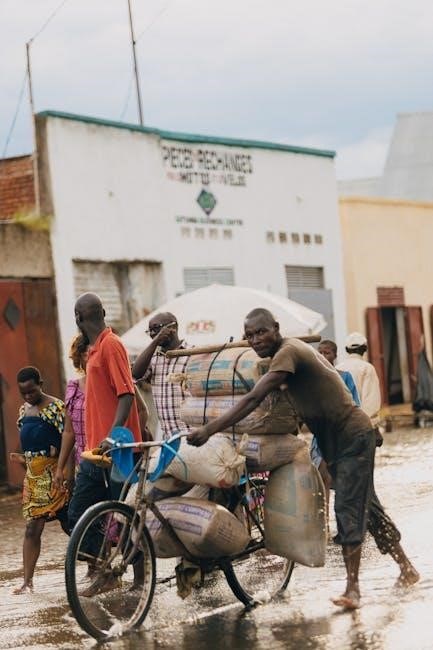
A central tenet of colonial exploitation involved the forceful seizure of African lands by European powers. This dispossession wasn’t merely about acquiring territory; it fundamentally restructured African economies and social systems. Indigenous populations were systematically removed from their ancestral lands, disrupting established agricultural practices and traditional livelihoods.
Simultaneously, colonial administrations actively fostered the creation of a wage labor force. Africans, stripped of their land and means of subsistence, were compelled to seek employment in mines, plantations, and other colonial enterprises. This created a dependent workforce, vulnerable to exploitation and reliant on colonial economies for survival. The shift from self-sufficient agricultural communities to wage laborers dramatically altered power dynamics and solidified colonial control.
Extraction of Raw Materials and the Suppression of Local Industries
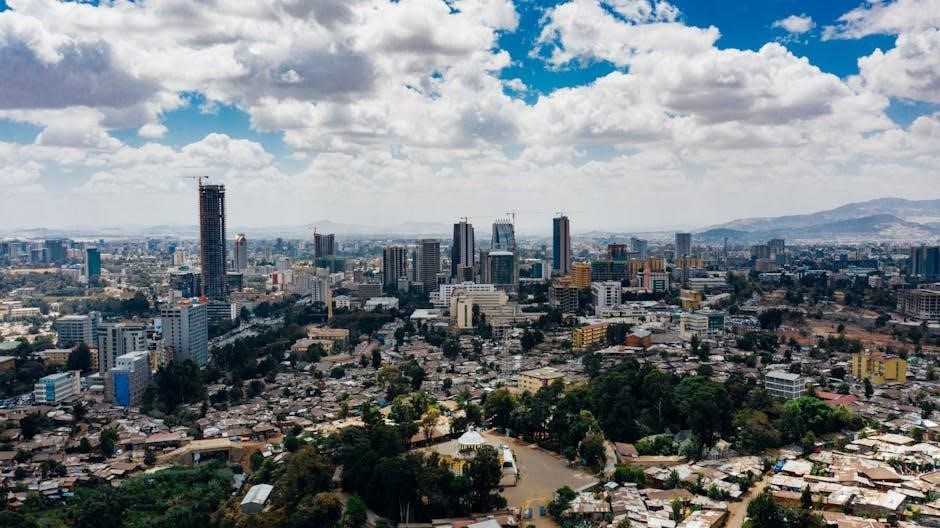
Colonial economies were meticulously designed to serve the industrial needs of Europe, prioritizing the extraction of raw materials over the development of African industries. Resources like minerals, timber, and agricultural products were systematically exploited and shipped to Europe, fueling their economic growth while hindering Africa’s own industrialization.
Furthermore, existing African industries – including textiles, metalworking, and craft production – were deliberately suppressed. European manufactured goods were often imposed, undercutting local competition and dismantling traditional economic structures. This deliberate policy ensured African economies remained dependent on Europe for finished products, perpetuating a cycle of underdevelopment and economic subservience.
Imposition of Foreign Economic Systems and Infrastructure
Colonial powers didn’t simply extract resources; they fundamentally reshaped African economies to mirror their own, imposing systems prioritizing export-oriented production. Infrastructure development – railways, roads, and ports – wasn’t geared towards integrated African development, but rather to facilitate the efficient removal of resources to European markets.
This infrastructure often bypassed existing African trade routes and centers, further marginalizing local economies. The introduction of European legal and financial systems also disrupted traditional African economic practices, creating a dependency on colonial institutions and hindering the growth of indigenous financial structures. This systemic imposition cemented economic control.

IV. The Role of Colonial Policies in Shaping African Economies
Colonial administrations actively crafted policies – taxation, labor systems, and agricultural mandates – designed to benefit the colonizers, fundamentally altering African economic structures.
Taxation and Forced Labor Systems
Colonial powers implemented aggressive taxation policies in Africa, often requiring Africans to abandon their subsistence farming to earn money through wage labor or cultivate cash crops solely to pay these taxes. This system deliberately compelled Africans into an economic framework serving colonial interests.
Furthermore, forced labor was widespread, taking various forms like direct conscription for public works projects – building railways, roads, and infrastructure – or through coercive labor contracts. These practices deprived communities of vital labor, disrupted agricultural production, and suppressed independent economic activity.
The combination of taxation and forced labor effectively dismantled pre-colonial economic systems and integrated African labor into the colonial economy on exploitative terms, hindering long-term development.
Monoculture and Dependence on Single Export Commodities
Colonial administrations actively promoted monoculture – the cultivation of a single cash crop – across vast areas of Africa, prioritizing exports to Europe over diversified local food production. This created a dangerous economic dependence on fluctuating global commodity prices and the demands of external markets.
Regions became reliant on crops like cocoa, coffee, cotton, or groundnuts, neglecting food security and traditional agricultural practices. This specialization rendered African economies vulnerable to market shocks and limited their capacity for self-sufficient development.
The focus on single exports also suppressed the development of local industries and diversified economies, cementing a pattern of economic dependence that persists to this day.
Suppression of African Entrepreneurship and Innovation
Colonial policies systematically undermined existing African entrepreneurial activities and stifled innovation. Traditional industries, such as textile production, metalworking, and shipbuilding, were deliberately suppressed to create markets for European manufactured goods.
African traders faced discriminatory regulations, heavy taxation, and limited access to credit, hindering their ability to compete with European firms. Colonial education systems prioritized training Africans for subordinate roles within the colonial administration, rather than fostering entrepreneurial skills.
This deliberate suppression of African initiative and innovation created a lasting legacy of economic dependence and hindered the development of a vibrant, self-reliant private sector.

V. Post-Colonial Challenges: Neo-Colonialism and Continued Dependence
Despite independence, many African nations faced neo-colonial pressures, maintaining economic dependence on former colonial powers through trade and aid.
Political Instability and the Rise of Authoritarian Regimes
The abrupt transition to independence often left African states vulnerable to internal conflicts, exacerbated by arbitrarily drawn colonial boundaries that disregarded existing ethnic and cultural divisions. This fragility created power vacuums frequently filled by authoritarian leaders prioritizing self-preservation over national development.
External interference, a continuation of colonial practices, further destabilized governments, often supporting regimes amenable to foreign economic interests. The lack of robust democratic institutions and civil society organizations hindered the development of accountable governance. Consequently, many post-colonial African nations experienced cycles of coups, political repression, and widespread corruption, diverting resources away from essential social programs and economic growth.
Economic Dependence on Former Colonial Powers
Post-independence, many African economies remained structurally dependent on their former colonial powers, perpetuating a neo-colonial relationship. This dependence manifested through continued reliance on exporting raw materials to Europe, while importing manufactured goods at unfavorable terms of trade. Colonial infrastructure, designed for extraction rather than holistic development, reinforced this pattern;
Foreign investment, often tied to exploitative contracts, prioritized profit repatriation over local economic empowerment. This created a cycle of debt and limited opportunities for diversification. Furthermore, former colonial powers maintained significant influence over African economic policies, hindering the development of independent and sustainable economic strategies, thus solidifying underdevelopment.
Debt Burden and Structural Adjustment Programs
Mounting debt, often accrued through loans with unfavorable conditions, became a crippling burden for many post-colonial African nations. International financial institutions, heavily influenced by former colonial powers, imposed Structural Adjustment Programs (SAPs) as a condition for further lending. These SAPs mandated austerity measures, privatization of state assets, and trade liberalization.
However, these policies often undermined social services, deindustrialized local economies, and exacerbated poverty. The focus on export-oriented growth further entrenched dependence on primary commodity markets, leaving African economies vulnerable to global price fluctuations and hindering genuine development. SAPs, therefore, became a key mechanism in perpetuating underdevelopment.

VI. The Legacy of Underdevelopment: Contemporary Africa
Persistent challenges – poverty, inequality, weak institutions, and corruption – continue to plague the continent, stemming from centuries of exploitation and hindering progress.
Poverty, Inequality, and Limited Access to Resources
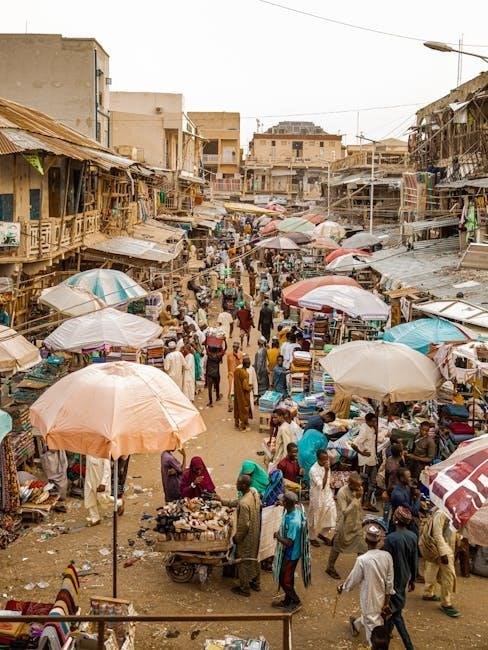
The enduring consequences of historical exploitation manifest in widespread poverty and stark inequalities across Africa. Centuries of resource extraction and suppressed industrial development left many nations with limited economic diversification and a reliance on volatile commodity markets.
Access to essential resources – healthcare, education, clean water, and land – remains unevenly distributed, disproportionately affecting marginalized communities. This systemic disadvantage perpetuates cycles of poverty and hinders human capital development. The legacy of colonial boundaries and imposed economic structures further exacerbates these issues, creating internal conflicts and hindering regional cooperation.
Furthermore, the concentration of wealth in the hands of a small elite, often linked to external interests, prevents equitable distribution and sustainable growth. Addressing these deeply rooted inequalities requires comprehensive reforms focused on inclusive economic policies and empowering local communities.
Weak Institutions and Corruption
A significant impediment to Africa’s progress lies in the prevalence of weak institutions and systemic corruption, often rooted in colonial legacies of centralized control and lack of accountability. These weaknesses undermine the rule of law, discourage investment, and divert resources away from essential public services.
Corruption, in its various forms, erodes public trust, distorts economic decision-making, and hinders effective governance. The lack of transparency and independent oversight creates opportunities for illicit financial flows and rent-seeking behavior. Strengthening institutional capacity, promoting good governance, and fostering a culture of accountability are crucial steps towards addressing these challenges.
Moreover, building robust and independent judicial systems, empowering civil society organizations, and promoting media freedom are essential for combating corruption and ensuring that resources are used for the benefit of all citizens.
Challenges to Sustainable Development
Achieving sustainable development in Africa faces multifaceted challenges stemming from historical underdevelopment and contemporary global dynamics. Climate change poses a significant threat, exacerbating existing vulnerabilities and impacting agricultural productivity, water resources, and public health. Rapid population growth, coupled with limited access to education and healthcare, further complicates efforts to improve living standards.
Furthermore, dependence on primary commodity exports leaves African economies susceptible to price volatility and external shocks. Diversifying economies, investing in human capital, and promoting value-added industries are crucial for building resilience and fostering inclusive growth.
Addressing these challenges requires a holistic approach that integrates economic, social, and environmental considerations, alongside strong political will and international cooperation.