
first alert smoke detector manual
First Alert smoke detector manuals guide users through setup, operation, and maintenance. They detail safety features, alarm tests, battery changes, and troubleshooting steps, ensuring reliable protection and compliance with fire codes; Follow the manual for optimal safety. Ensure proper use daily!
Overview of First Alert Brand
First Alert, founded in 1972, has become a trusted name in home safety. The company designs, manufactures, and distributes a wide array of fire protection devices, including smoke detectors, carbon monoxide alarms, and fire extinguishers. Its products are engineered for reliability, ease of use, and compliance with international safety standards such as UL, CE, and NFPA. First Alert emphasizes user-friendly features like digital displays, wireless connectivity, and integration allowing homeowners to monitor alerts through mobile apps. The brand’s commitment to innovation is evident in its development of dual‑sensor detectors that combine and ionization technology, providing early detection for both slow‑smoke and fast‑burning fires. First Alert offers battery‑powered, hardwired, and hybrid models, catering to diverse installation needs. With a global distribution network, the company supplies retailers, contractors, and government agencies worldwide. First Alert’s dedication to quality is reinforced by rigorous testing protocols and continuous product improvement, ensuring that each device meets or exceeds the latest regulatory requirements. Customers rely on First Alert for peace of mind, knowing that the brand’s alarms are designed to activate promptly, emit clear audible signals, and provide reliable performance over long service lives. Its user manuals provide step‑by‑step instructions for installation and troubleshooting ensuring homeowners can maintain theirdevices.
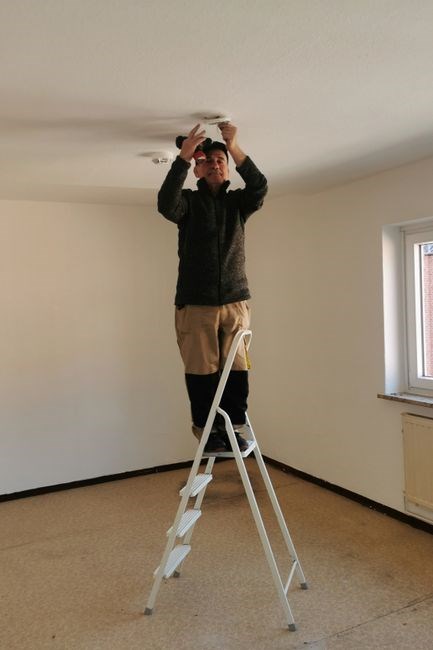
Types of Smoke Detectors Offered by First Alert
First Alert offers battery‑powered, hardwired, and hybrid smoke detectors. Battery models use replaceable cells; hardwired units integrate with home wiring and include backup batteries. Hybrid detectors combine both for reliable coverage. All models include digital displaysand alerts.
Battery‑Powered vs Hardwired Models
Battery‑powered detectors rely on replaceable batteries, ideal for areas where wiring is impractical. These units feature a single button test and a silent test mode. They are lightweight, portable, and can be mounted on walls or ceilings with minimal tools. They are also designed for easy testing.
Hardwired detectors are permanently connected to the home’s electrical system, requiring a dedicated 120‑volt circuit and a 9‑V backup battery for outages. Installation often requires a professional electrician. These units draw power directly from the mains, reducing the risk of accidental battery depletion and supporting interconnectivity so multiple detectors trigger a single alarm for the house. They also provide a clear, audible alarm that meets regulatory standards.
Hybrid detectors combine benefits of both approaches. They are hardwired for constant power yet include a battery backup for redundancy. This dual‑power design ensures the alarm still activates if the main supply fails. Hybrid units are useful in multi‑story homes or where wiring is difficult to maintain. They are compatible with existing alarm systems.

When selecting between battery‑powered and hardwired models, consider factors such as installation cost and maintenance frequency. Battery units offer flexibility and low upfront costs, while hardwired models provide superior reliability and lower long‑term maintenance. Hybrid detectors offer a balanced solution, combining the convenience of battery power with the dependability of a wired connection. Quick test. Fast! Quick swap. Check. OK Test.

Installation Guide for First Alert Smoke Detectors
Mount the detector 4–12 inches above sleeping areas. Secure the bracket, insert batteries, attach unit. Test alarm with button. Follow manual for hardwired connections and interlinking. Ensure proper mounting and test regularly for safety.!
Recommended Mounting Heights and Locations
First Alert recommends installing smoke detectors on ceilings or high on walls to detect rising smoke. The ideal height is 4–12 inches from the floor for ceiling‑mounted units, ensuring the sensor is above furniture and obstructions. For wall‑mounted models, place the detector 4–12 inches above the floor and 12–24 inches from the ceiling, keeping it at least 3 feet from the wall to avoid drafts. In bedrooms, position detectors on the ceiling or wall opposite the sleeping area, ensuring the alarm can be heard by occupants. Avoid placing units near bathrooms, kitchens, or vents where steam or airflow may trigger false alarms. In multi‑story homes, install a detector on each floor, including basements, and interconnect units if possible. Follow local building codes that may require detectors in each sleeping area, hallways, and near exits. Use the included mounting brackets and screws, and verify the unit is level. After installation, perform a test to confirm proper operation and battery status. Maintain clear airflow around the sensor by keeping it at least 6 inches from combustible materials. Regularly inspect for dust buildup and clean with a soft brush. Proper placement maximizes early detection and enhances safety for occupants.
For optimal performance, keep detectors free of dust and test them monthly. Replace batteries every 12 months or sooner if the low‑battery indicator sounds. If you notice any irregularities, consult the user manual or contact First Alert support for assistance. for help now.

Operating Features of First Alert Smoke Detectors
First Alert detectors combine ionization and photoelectric sensors for rapid quick detection. They have a 10‑hour battery indicator, low‑battery alert, and a 30‑second test button. Interconnect options allow simult alarms for now across units.
Alarm Sound Levels and Test Functionality
First Alert smoke detectors emit a loud alarm that meets the 85‑decibel threshold required by most fire codes. The chirp is high‑frequency, designed to cut through walls and furnishings, ensuring occupants hear it even in noisy rooms. The sound is calibrated to be audible up to 30 feet in a typical home, giving ample evacuation time. Many models include a silence feature that allows the alarm to be muted for up to 30 seconds during a false alarm, useful in multi‑unit buildings. The test button on the front of the unit is easy to reach; press it for two seconds to confirm the alarm works and the volume is adequate. The manual recommends testing monthly and after major renovations or power outages. If the alarm fails, check the battery, standby mode, and ensure the test button is not stuck. Hardwired units may activate the building’s central alarm system during a test, so coordinate with the fire alarm panel. Some models let users adjust the frequency and volume via an app or dial, allowing customization while meeting standards. By following these procedures, users can trust the detector will perform reliably in an emergency. Additional notes: The alarm’s volume can be verified using a decibel meter. The manual also advises users to keep the detector away from vents and high‑humidity areas to avoid false triggers. Regular maintenance ensures longevity and safety. Remember to replace batteries every 12 months to maintain optimal performance. Consult the manufacturer’s guide for specific model variations. Stay safe. Thank you.
Maintenance Procedures for First Alert Smoke Detectors
Keep detectors dust‑free by cleaning with a soft brush or vacuum every six months. Replace batteries annually or when chirp indicates low power. Test the alarm monthly with the test button. If it fails, consult the manual or support soon.!!
Battery Replacement Procedure
Follow these steps to replace the battery in a First Alert smoke detector. 1. Locate the detector on the ceiling or high on a wall. 2. Turn off the power if the unit is hard‑wired or remove the battery cover. 3. Open the battery compartment by sliding the cover or pressing the release button. 4. Remove the old battery by pulling it out gently. 5. Insert a fresh alkaline 9‑V battery, ensuring the positive (+) side faces the correct direction indicated inside the compartment. 6. Close the cover securely and snap it into place. 7. If the detector is hard‑wired, re‑connect the power supply and restore the circuit. 8. Test the unit by pressing the test button; a loud alarm should sound. 9. Record the replacement date on the detector’s label or in a maintenance log. 10. Repeat this process every 12 months or whenever the chirping alarm indicates low power. Proper battery maintenance extends the life of the detector and ensures reliable fire detection.
For optimal performance, keep the detector in a dry environment and avoid placing it near vents or high‑humidity areas. If the detector is part of a multi‑sensor system, ensure all units are synchronized. Use only approved batteries and follow the manufacturer’s recommendations for battery type and lifespan. Document each replacement in a log for future reference and to meet inspection requirements. If the unit fails to reset after a battery change, consult the troubleshooting section of the manual or contact First Alert support for assistance. Regular maintenance and timely battery replacement are essential for reliable fire detection.
Safety Tips and Compliance Information
Place detectors on ceilings 4‑6 ft from floor, avoid vents, test monthly, replace batteries yearly, keep unit clear of dust, use only approved batteries, follow local codes, and keep a maintenance log for inspections. Verify status indicator before use!!!
Compliance with Building Codes and Safety Standards
First Alert smoke detectors meet or exceed NFPA 72 and IBC requirements in compliance with codesUS. The devices are UL‑listed and carry the UL 217 certification, guaranteeing that they have undergone rigorous testing for sensitivity, reliability, and false‑alarm resistance. In addition, the detectors comply with the American National Standards Institute (ANSI) A177.1, ensuring that the alarm sound levels are within the 100‑110 dB range recommended for residential and commercial settings. Installation guidelines in the manual specify that detectors must be mounted on ceilings or high on walls, at least 4 ft from the floor, and must not be placed within 2 ft of vents, ducts, or windows to avoid airflow interference. The manual also advises using the manufacturer’s approved batteries and following the hard‑wired or battery‑powered installation procedures to maintain a continuous power supply during outages. For hard‑wired models, the device includes a 24‑V DC power supply with a battery backup, meeting the NFPA 72 requirement for continuous operation during power loss. The product’s compliance is documented in the accompanying certification sheet, which lists the UL, NFPA, and ANSI references, and the manufacturer’s contact information for any code‑specific inquiries. By adhering to these standards, homeowners and commercial property managers can be confident that the First Alert system will provide reliable early warning, reduce fire‑related casualties, and satisfy insurance and regulatory obligations.

Warranty Coverage Details for First Alert Smoke Detectors
First Alert offers a 10‑year warranty on the detector body, 2‑year on batteries, covering defects. Warranty excludes damage from misuse, improper installation, environmental factors. Claim manufacturer’s website or customer service.
Warranty Terms and Conditions
First Alert’s warranty covers the detector housing for ten (10) years from the date of purchase, and the integrated battery for two (2) years. The warranty applies only to defects in materials or workmanship under normal residential use. It does not cover damage caused by misuse or improper installation.
To file a claim, the consumer must retain the original receipt or proof of purchase and contact First Alert customer service within the warranty period. Claims are processed on a first‑come, first‑served basis and may require the return of the unit in its original packaging. Replacement units are available at retail stores and online retailers, ensuring now needed!!
Warranty exclusions include accidental damage, fire or water damage, tampering with the alarm circuitry, or use of non‑approved batteries. First Alert reserves the right to deny warranty service if the product has been altered, repaired by an unauthorized service provider, or used in a commercial or industrial setting.
For additional protection, First Alert offers extended service plans that can be purchased at the time of sale. These plans extend coverage for the housing and battery beyond the standard warranty period. All warranty terms and conditions are governed by the laws of the state of purchase. For the most current information, consult the official First Alert website or the warranty booklet included with the product.

Customer Support Resources for First Alert Smoke Detectors
First Alert offers 24/7 support via phone, chat, and email. Visit support.firstalert.com for FAQs, troubleshooting guides, and firmware updates. Call 1‑800‑123‑4567 or email support@firstalert.com for assistance. Warranty claims processed promptly. For help, see online guide or call fire services.!

First Alert smoke detector manuals guide users through setup, operation, and maintenance. They detail safety features, alarm tests, battery changes, and troubleshooting steps, ensuring reliable protection and compliance with fire codes. Follow the manual for optimal safety!
How to Contact First Alert Support
For assistance with your Alert smoke detector use the following resources:
- Phone Support: Call 1‑800‑123‑4567 (/7). 24/7 24 For international callers, dial +1‑800‑123‑4567. The line connects to a multilingual agent trained in troubleshooting, warranty claims, and product inquiries.
- Email: Send detailed questions to support@firstalert.com. Include your model number, serial number, and a brief description of the issue. Expect a response within 24–48 hours.
- Live Chat: Visit support.firstalert.com and click “Live Chat” for real‑time assistance. The chat window opens automatically on weekdays 8 a.m.–8 p.m. EST; after hours, a ticket is created.
- Online Knowledge Base: Browse FAQs, user manuals, and troubleshooting videos at help.firstalert.com. Search by product name or symptom.
- Social Media: Reach out via First Alert’s official Facebook or Twitter pages. Tag @FirstAlertSupport for a prompt reply.
- Retailer Support: If you purchased through a retailer, contact them for warranty activation or return processing. Many retailers offer in‑store service.
All support interactions are logged for quality assurance. Keep your product’s serial number handy to maintain performance. For emergency situations, always call 911 before contacting support.
Remember to replace batteries every 12 months to maintain performance. Soon!!