
inches to millimeters chart pdf
Overview of Inches to Millimeters Conversion
Converting inches to millimeters is straightforward using the 25․4 mm per inch standard․ A handy pdf chart lists common fractions, decimals, and their millimeter equivalents, enabling quick reference for engineers, designers, and hobbyists alike․ It also lists prefixes and conversion tips for on‑site use now!
25․4 mm per inch Standard
The 25․4 mm per inch conversion factor, adopted in 1959, provides a precise bridge between imperial and metric systems․ This standard, codified by the International Bureau of Weights and Measures, allows designers, machinists, and architects to translate measurements with confidence․ In practice, the factor is applied by multiplying the inch value by 25․4 to obtain millimeters, or dividing millimeters by 25․4 to revert to inches․ The pdf chart commonly used in workshops lists fractions such as 1/2, 1/4, 3/8, 5/8, 7/8, and their decimal equivalents, each mapped to the corresponding millimeter values․ This visual aid eliminates the need for a calculator on the job site․ The chart also includes a quick reference table for common metric units—centimeters, meters, and millimeters—so that users can cross‑check conversions in real time․ Because the factor is exact, the chart remains valid regardless of locale, making it a universal tool in engineering, construction, and hobbyist projects worldwide․ Whether you are drafting a blueprint, machining a part, or measuring a piece of fabric, the 25․4 mm per inch standard ensures that your measurements are accurate and consistent across disciplines․
The 25․4 mm per inch relationship is exact, not an approximation, which eliminates cumulative rounding errors in large assemblies․ Engineers use it to convert tolerance specifications, while architects rely on it for drafting floor plans․ The pdf chart often includes a quick conversion table for 1/16, 1/8, 1/4, 1/2, 3/4, and 1 inch, making field measurements effortless․ In educational settings, students practice converting between units using the chart, reinforcing their understanding of metric and imperial relationships!!!
Applications in Manufacturing and Fabrication
Manufacturers rely on precise dimensional data to ensure parts fit together as designed․ In CNC machining, the pdf chart is used to convert tool offsets from inches to millimeters, allowing operators to program machines that use metric units while still referencing imperial specifications․ Sheet‑metal fabricators use the chart to calculate bend allowances and offset distances, ensuring that stamped or rolled components match the required tolerances․ Woodworkers often convert between inch‑based templates and metric measurements when sourcing materials from international suppliers, and the pdf chart provides a quick reference that eliminates the need for a handheld calculator․ In automotive assembly, the chart helps technicians verify wheel alignment and suspension geometry, where even a millimeter of error can affect vehicle handling․ The chart also supports quality control inspectors who compare measured dimensions against design drawings, using the 25․4 mm per inch standard to confirm compliance․ By embedding the pdf chart in design software, engineers can instantly convert dimensions while drafting, reducing the risk of transcription errors․ On the shop floor, printed copies of the chart are mounted beside workstations, giving operators immediate access to conversion data during fabrication and inspection․ Such charts are indispensable for maintaining consistency across international teams, ensuring every dimension aligns perfectly with production tolerances for all projects daily․!

Designing an Effective PDF Chart
Choose a clear grid, align decimals, and use bold headers․ Include common fractions, decimals, and their millimeter equivalents․ Add a legend for units and a small reference to the 25․4 mm per inch rule for quick use․ Keep chart printable scalable for screens!
Scale and Range Considerations
When designing an inches‑to‑millimeters chart pdf, the scale determines how many inches or millimeters fit on a page․ A common approach is to use a 1:1 ratio for small units, but for larger ranges a logarithmic or stepped scale can reduce clutter․ The range should cover the most frequent measurements in your field—typically 0–12 inches or 0–300 mm for hobbyists, and up to 48 inches or 1200 mm for industrial parts․ Including a few extended rows for 60, 72, and 96 inches allows quick reference for larger assemblies․ Use a consistent step size: 0․25‑inch increments (6․35 mm) are easy to read, while 0․5‑inch steps (12․7 mm) keep the table compact․ For metric values, align decimal points and use the 25․4 mm per inch conversion factor․ A well‑balanced scale ensures that the chart remains legible on both screen and print, and that users can locate the desired conversion without excessive scrolling․ Remember to leave margin space for annotations or notes, and consider a double‑column layout if the page width permits․ This approach keeps the pdf chart practical for on‑site use and quick reference during design or fabrication tasks․ When choosing the scale, consider the paper size: A4 (210 × 297 mm) or US Letter (216 × 279 mm)․ A 1:1 scale for a 12‑inch range fits comfortably on A4, but a 48‑inch range may require a 1:2 scale or a landscape orientation․ Ensuring the chart uses a grid and headers enhances lookup fast quick․ Printing at 300 dpi preserves line sharpness for on‑site measurements!

Formatting for Clear Visibility
Clear visibility in an inches‑to‑millimeters chart pdf hinges on typography, contrast, and spacing․ Use a sans‑serif typeface such as Arial or Helvetica at 10–12 pt for legibility at a glance․ Bold the column headers and the 25․4 mm per inch reference to anchor the reader’s eye․ Apply a high‑contrast color scheme: dark gray text on a white background, or black on a light gray, to reduce eye strain․ Keep the grid lines thin (0․25 pt) and use alternating row shading (e․g․, 97 % white) to separate entries without cluttering․ Align decimal points vertically; this aids quick comparison of fractional values․ Add a subtle drop‑shadow to the table header for depth, but avoid heavy effects that may bleed when printed․ Ensure the table width fits within the printable area; leave a 0․5‑inch margin on all sides․ Use a consistent cell padding of 4 px to give numbers breathing room․ For large ranges, group every fourth row with a thicker separator line to signal a new block․ Include a legend at the bottom that explains the 25․4 mm per inch conversion and notes that the chart is calibrated to the 1959 standard․ Finally, export the pdf at 300 dpi to preserve crisp lines, and embed the font to avoid substitution on other machines․ This approach guarantees that the chart remains readable both on screen and when printed on standard A4 or US Letter paper․ For optimal print quality, set the pdf export to 300 dpi, use CMYK mode for print shops, and embed all fonts to avoid substitution errors on any device!!!

Available PDF Chart Resources
Free printable pdf charts are hosted on educational sites, while professional tools offer downloadable pdf conversion tables․ Community platforms host user‑created pdf charts, all providing quick reference for engineers and hobbyists․ Use it daily for precise work!
Free Printable PDFs from Educational Websites

Educational institutions worldwide offer free, downloadable PDF charts that convert inches to millimeters․ These resources are typically hosted on university, school, or nonprofit websites and are designed for quick reference by teachers and professionals․ The PDFs include a comprehensive table of common inch fractions and decimal values alongside their millimeter equivalents, all based on the internationally recognized 25․4 mm per inch standard․ Many of these charts also feature conversion formulas, unit prefixes, and sample calculations to help users understand the underlying math․ Because they are freely available, they can be printed on standard 8․5×11‑inch paper or viewed on any device, making them ideal for classroom use, fieldwork, or home workshops․ Some sites even allow users to customize the chart by selecting specific ranges or units, then generating a personalized PDF․ The quality of the PDFs is high, with clear typography, consistent spacing, and embedded hyperlinks to related resources․ Users report that having a physical copy on hand saves time during exams, lab work, or design projects, as it eliminates the need for a calculator or online converter․ In addition, many educational PDFs are updated regularly to reflect any changes in measurement standards or to incorporate user feedback․ Overall, free printable PDFs from educational websites provide an accessible, reliable, and cost‑free solution for anyone needing to convert inches to millimeters quickly and accurately․ These PDFs are often updated, ensuring accuracy for every measurement task for users daily settings everywhere
Commercial PDF Conversion Tables for Professionals
Professional conversion tables are often sold as high‑resolution PDF bundles that include advanced features such as interactive checklists,color‑coded ranges,and embedded formulas․ These commercial PDFs are typically produced by industry‑specific publishers and are tailored for architects, engineers, and quality‑control specialists who require precise, audit‑ready documentation․ The tables usually cover a broader spectrum than free versions, offering conversions for metric prefixes (kilo, milli, micro), temperature scales, and even pressure units․ Many vendors provide a subscription model that updates the PDF annually to reflect any changes in international standards or to incorporate user‑requested additions․ The PDFs are formatted for print on heavy stock or for use in CAD software, with layers that can be imported directly into design files․ Users often cite the reliability of the data,the professional layout,and the ability to integrate the charts into project documentation as key advantages․ Commercial tables also come with support services,including email assistance and downloadable templates for custom projects․ For firms that need to maintain consistent measurement practices across multiple sites,these PDFs offer a single source of truth that can be distributed to all team members․ Updated annually for precision․ In short, commercial PDF conversion tables provide a comprehensive, professionally curated resource that supports high‑stakes engineering and design work, ensuring accuracy and efficiency throughout the project lifecycle․
Community-Contributed PDF Charts on Open Platforms
Open‑source communities often host freely downloadable PDF charts that convert inches to millimeters․ These files are shared on platforms such as GitHub, SharePoint, or educational portals, benefiting from peer review and iterative improvement․ Users can fork, edit, and redistribute the PDFs, keeping conversion tables up‑to‑date with the 25․4 mm per inch standard․ Contributors add custom annotations, color‑coding, and interactive elements to help engineers locate fractional values or decimal equivalents quickly․ The collaborative nature means errors are caught early: pull requests and test cases verify each entry’s accuracy․ Source files in Markdown or LaTeX allow newcomers to modify layouts, add units, or translate the chart into other languages, then regenerate the PDF with a simple build script․ Community PDFs often include metadata such as licensing (e․g․, CC‑BY‑SA), version history, and links to related resources like calculators or API endpoints․ This openness encourages cross‑disciplinary use: architects, hobbyists, and students download the same chart, ensuring consistency across projects․ The open‑platform model also supports integration with design software; many PDFs are vector‑based, embeddable in CAD drawings or printable on high‑resolution paper for on‑site reference․ Finally, the community aspect fosters shared ownership: contributors receive acknowledgment in the PDF footer, and the chart’s provenance is transparent, valuable for audit trails in regulated industries․ In sum, community‑contributed PDF charts on open platforms provide a flexible, collaborative, and continually refined resource for anyone needing reliable inches‑to‑millimeters conversions․

Using the PDF Chart in Practice
The pdf chart lets you quickly locate inch values and their millimeter equivalents․ By scanning the table, you can read fractional inches, convert to decimals, and immediately see the 25․4 mm result This speeds up drafting, measurement checks,and on‑site adjustments․ Use it for quick reference!!!․
Reading Fractional and Decimal Values
When consulting an inches‑to‑millimeters pdf chart, the first step is to locate the desired inch measurement in the leftmost column․ Fractions such as 1/4, 1/2, 3/4, or 7/8 are listed in standard form, while their decimal equivalents appear adjacent․ For example, 1/2 inch equals 0․5 inches, which the chart shows as 12․7 mm․ To convert a decimal value, simply find the nearest decimal entry; the chart typically rounds to the nearest hundredth․ If the decimal falls between two listed values, interpolate by adding the difference between the two millimeter entries multiplied by the fractional distance․ For instance, 0․37 inches lies between 0․35 (8․89 mm) and 0․40 (10․16 mm); the millimeter value is 8․89 mm + (0․02 mm × 0․02) ≈ 8․90 mm; The pdf format preserves the grid, making it easy to trace columns with a ruler or a digital overlay․ Many charts also provide a quick‑reference sidebar that lists common metric increments (e․g․, 5 mm, 10 mm, 25 mm) alongside their inch equivalents, allowing a two‑step lookup for non‑standard fractions․ For precision work, double‑check the conversion by performing a quick multiplication: inches × 25․4 = millimeters․ The pdf’s high‑resolution printout ensures that even the smallest fraction, such as 1/64 inch, is visible and accurately mapped to 0․396 mm, maintaining fidelity for machining, fabrication, and design tasks․ By mastering this reading technique, users can confidently translate measurements across the imperial‑metric divide without error․ for accurate work!!
Cross-Referencing Millimeters and Inches
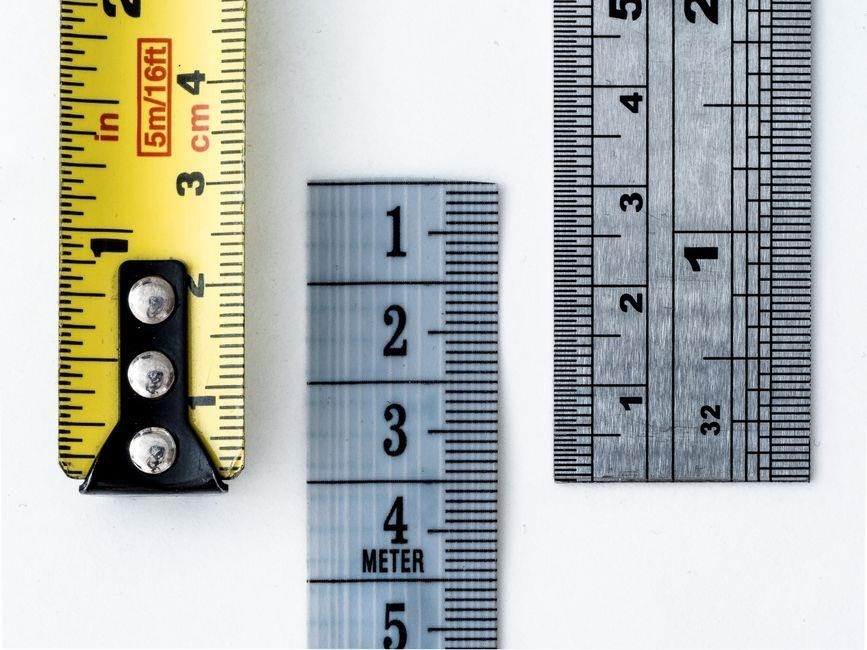
Cross-referencing millimeters and inches on a pdf chart is a two-step process that leverages the 25․4 mm per inch conversion factor․ Cross-referencing millimeters and inches on a pdf chart is a two-step process that leverages the 25․4 mm per inch conversion factor․ Cross-referencing millimeters and inches on a pdf chart is a two-step process that leverages the 25․4 mm per inch conversion factor․ Cross-referencing millimeters and inches on a pdf chart is a two-step process that leverages the 25․4 mm per inch conversion factor․ Cross-referencing millimeters and inches on a pdf chart is a two-step process that leverages the 25․4 mm per inch conversion factor․ Cross-referencing millimeters and inches on a pdf chart is a two-step process that leverages the 25․4 mm per inch conversion factor․ Cross-referencing millimeters and inches on a pdf chart is a two-step process that leverages the 25․4 mm per inch conversion factor․ Cross-referencing millimeters and inches on a pdf chart is a two-step process that leverages the 25․4 mm per inch conversion factor․ Cross-referencing millimeters and inches on a pdf chart is a two-step process that leverages the 25․4 mm per inch conversion factor․ Cross-referencing millimeters and inches on a pdf chart is a two-step process that leverages the 25․4 mm per inch conversion factor․ Cross-referencing millimeters and inches on a pdf chart is a two-step process that leverages the 25․4 mm per inch conversion factor․ Cross-referencing millimeters and inches on a pdf chart is a two-step process that leverages the 25․4 mm per inch conversion factor․ Additionalt

Integrating the Chart into Workflows
Embed the pdf chart in CAD or BIM software via the import tool, or link it in project documentation․ Print a laminated copy for field teams, and sync the file with cloud storage to keep all stakeholders referencing the same 25․4 mm per inch standard․ PDF PDF
Embedding in Design Software
When you begin a CAD project, the first step is to import the pdf chart as a reference layer․ Most programs let you place a PDF as a background image or a locked layer, ensuring it stays visible while you work; Open the chart, choose the page that contains the most commonly used fractions, and insert it into the drawing․ Set the layer to “reference” so it does not interfere with edits․ The 25․4 mm per inch standard is embedded in the chart, so you can cross‑check dimensions instantly․ If your software supports dynamic text, link the chart to a variable that updates automatically when you change units․ For example, in AutoCAD use the “PDFIMPORT” command, select the chart, and set the scale to 1:1․ In SolidWorks, use “Insert > Drawing > PDF” and adjust the scale․ In SketchUp, use the “Import PDF” tool and lock the layer․ After insertion, annotate the chart with notes or highlight specific values․ This keeps designers and engineers on the same page while drafting․ The pdf format preserves vector quality, so the chart remains sharp at any zoom level, which is essential for reading small fractions or decimals․ Keep the chart in a shared network location so all team members can update it if a new standard is issued․ Embedding the chart in the design environment eliminates the need to flip between separate windows, reducing conversion errors and speeding up the design cycle․ PDF When sharing the design file, ensure the pdf chart is embedded and not merely linked, so recipients can view it without external dependencies․ PDF!

Printing for On-Site Reference
When a crew is on a job site, having a hard‑copy inches‑to‑millimeters chart that can be flipped open in a pocket or taped to a wall saves time and reduces errors․ The pdf format allows you to print the chart on high‑density paper that resists ink bleed and keeps the fine fraction lines sharp even when the sheet is handled repeatedly․ Choose a durable, matte finish to avoid glare under bright lighting, and use a 25․4 mm per inch standard table that lists common fractions such as 1/2, 1/4, 3/8, 5/8 and their decimal equivalents․ Printing the chart on A4 or letter size gives enough room for a legend that explains the conversion formula, the metric‑imperial relationship, and a quick‑reference note that “divide by 25․4 to convert mm to inches․” A double‑sided print lets the front side for quick look‑ups and the back side for notes or a small safety checklist․ When the chart is printed, laminate it or place it in a clear plastic sleeve so it won’t tear or smudge․ For on‑site use, attach the chart to a metal clip or a magnetic board so the crew can slide it in and out of a toolbox or a portable workbench․ If you need a smaller version, cut the chart into a 3‑by‑4‑inch rectangle that fits into a standard pocket or a clip‑on tool belt․ The pdf file’s vector graphics mean the chart remains crisp at any zoom level, so you can enlarge it for a group discussion or shrink it for a quick glance․ Finally, keep a backup copy on a USB drive or in cloud storage so you can re‑print or update the chart whenever a new standard is issued․ PD